
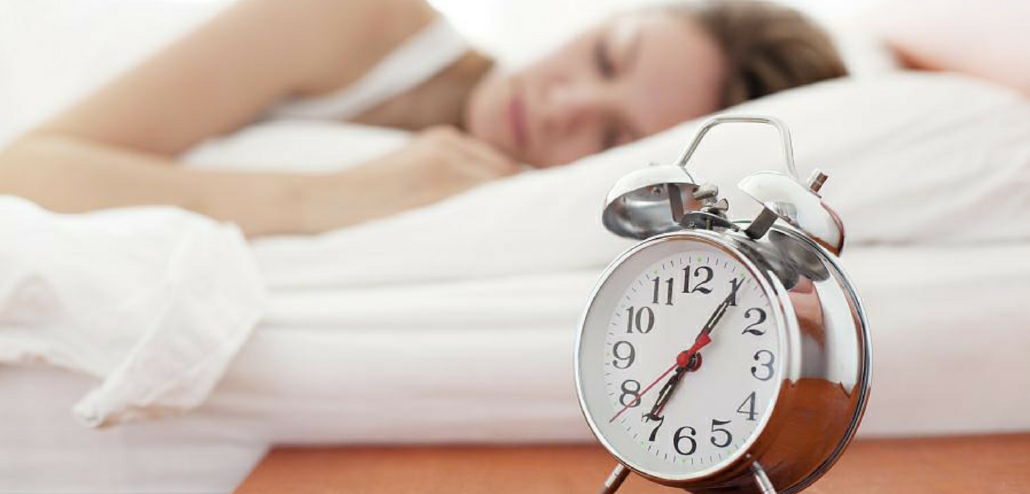
How does Sleep Deprivation affect Recovery?
In today’s world, people are so busy that they barely have enough time to relax, eat, and sleep, etc., the essentials in life. When you are someone who regularly works out, you are probably even more strapped for time. Fitting workouts into already packed schedules is harder than you can imagine. However, the dedicated find a way to stick to their workouts. Due to time constraints, the one part of life that usually falls by the wayside in order to get things accomplished in your day is sleep. For someone who works out, sleep is important because your body needs to rest in order to be able to execute muscle activity during a workout. Sleep deprivation can have major impacts on your athletic performance otherwise.
Sleep Deprivation
Researchers have discovered that sleep deprivation has an effect on your metabolism, and if you do not get enough sleep, it slows your glucose metabolism by a lot. This can affect weight loss, also your stress hormones can raise, which causes memory impairment, and impairs recovery for athletes. For the average healthy person, when sleep is restricted, there is a rapid deterioration in the body’s functions. Sleep deprivation causes a decrease in aerobic endurance, which makes an athlete fatigue much quicker.
What affects sleep deprivation?
There are numerous factors that come into play that can cause a lack of sleep. Clearly, most people have very busy schedules, but those schedules also cause us to stress more, use our phones constantly, or eat foods that aren’t the greatest. All these aspects alone or combined together are what can cause us not to sleep.
Electronics
Phones are possibly the number one cause of sleep deprivation for the average person. Keeping your phone on your nightstand might not seem like it matters, however, by having it within close proximity, you are more likely to just pick it up and play a game, surf the web, check social media, etc. The blue light when using electronics restrains the production of melatonin, the hormone that controls your sleep cycles. The reduction of melatonin, will make it harder for you to fall asleep, or even stay asleep. Even if you are not using your cellphone too much before bed, keeping it too close to you at night may wake you up through the chimes and vibrates from incoming messages, emails, alerts, etc.
Stress
Stress is another factor which can cause people to stay awake. The first step is that you need to focus and figure out what is causing the stress, and then you can work to reduce it. Try to spend time with family and friends as these are the people who can be helpful when you have a problem that is weighing on your shoulders. Try to change your thought patterns, and look at the positives. Use exercise as a way to blow off steam and escape any stressful thoughts. Exercising has definitely proven to be a means of relieving stress.
Drinks
Any type of drink containing caffeine is definitely something that can interfere with your sleep and keep your mind running. You should avoid anything high in caffeine after lunch, so you do not keep yourself up. Although many people think that alcohol can make us sleepy, it can actually prevent you from entering into a deep sleep. Due to heartburn, indigestion, or acid reflux, which can keep you awake.
Spicy foods
I would also recommend avoiding spicy foods close to bedtime. When you lie down, this is when the acid can creep up causing you to be uncomfortable and not sleep. Along with spicy foods, you will want to avoid foods that are high in fat and too much protein as well because they are harder for your digestive system to break down. Another aspect to consider is foods that contain lots of water. If you eat these, you will wake yourself up in the middle of the night, needing the bathroom.
If your goal is to lose weight, sleep deprivation could prevent you from succeeding
If one of your goals is to lose weight, being sleep deprived could actually be causing you to gain weight instead of lose it. As was mentioned, when you’re lacking sleep, your stress hormone cortisol levels raise and this actually can cause an increase in your appetite. Therefore, if you are still awake, you may reach for something that might not be healthy instead of not eating at all if you were sleeping. Additionally, if you end up eating something containing lots of sugar, the lack of sleep will hinder your body’s ability to process the food and thus cause weight gain.
Sleep deprivation affects athletic performance
Glucose and stored glucose are the main way that athletes get their energy. Storing glucose in your liver and muscles is important for endurance athletes especially. When you are sleep deprived, you experience slower storage of glycogen, which is essential preventing the storage of fuel for an athlete to use during a workout. Some major effects for athletes are that it slows muscle recovery, changes people’s mood, and increases the level of stress hormones.
Rest & Recovery
When training intensity increases, athletes need to plan for recovery. They need to determine what their body needs in order to stay healthy and not get any injuries. Some of the ways to do this is to schedule in more high quality sleep time. Whether it is fitting some naps in, or going to sleep earlier, you may need to schedule in that added sleep time, this way you are not sleep deprived. The research has said that a deep sleep improves not only athletic performance, but because the growth hormone is released, it stimulates muscle growth and repair, bone building, and fat burning.
Leave a Reply
Want to join the discussion?Feel free to contribute!
Leave a Reply
 https://shapedfit.com/wp-content/uploads/2018/05/Blog-Posts-2.png 691 1440 Inja https://www.shapedfit.com/wp-content/uploads/2016/10/logo_web.jpg Inja2018-06-02 10:55:482019-10-21 12:38:55Sleep Deprivation
 https://shapedfit.com/wp-content/uploads/2018/03/Blog-Posts.png 691 1440 Inja https://www.shapedfit.com/wp-content/uploads/2016/10/logo_web.jpg Inja2018-03-30 13:31:272018-05-29 18:31:30The benefits of foam rolling
 https://shapedfit.com/wp-content/uploads/2017/09/Untitled-design.png 691 1440 Inja https://www.shapedfit.com/wp-content/uploads/2016/10/logo_web.jpg Inja2018-03-05 23:58:362018-05-29 18:32:22Helpful tips for beginners on how to lose weight and build muscles
- Sort by Default Order
- Display 9 Products per page



Hey Inja,
I never thought how important the right amount and a good quality of sleep really is for your health and training. It´s been my biggest problem to get enough sleep together next to my job, the blogging and everything else. I am constantly working on it though.
Thanks for your tipps on this topic. 🙂
Best wishes
Jahn