
8 Tips to Help Your Body Recover Faster After a Workout
In order to get the most out of your workout, you need to not only do the hard work, but you need to recover properly as well. Read more to find out how.
This is a reality that many people tend to forget because they get lost in the hustle and bustle of life. However, if that happens, it causes a workout to be a bit of a waste. Well, you will still burn all the calories for the workout itself, you just have a hard time building lean muscle mass, your performance might plateau, and you can cause yourself to get injured. Making sure you have plans to recover after your workout is just as important as the workout itself. If you follow some of these tips, you will definitely feel much better physically after you get through a tough workout.
- Epson Salt Bath
Epson salt is a mineral that is also called Magnesium sulphate. When it is added to warm bath water, it can alleviate muscle pain and soreness. In addition, it has been shown to be able to reduce swelling, improve circulation, and an added bonus, relieves stress! How does it work? These minerals are absorbed through the skin and therefore, provide instant relief from all the pain you sustained during your intense workout.
Not only does it have these benefits, but magnesium is a key factor in muscle regeneration which is also great for recovery from working out. Since intense working out can drain the body of magnesium, which entails causes cramps and body aches, soaking in an Epson Salt bath will resupply your body. Overall, an Epson bath does wonders on your recovery efforts.
- Refuel with the right food
During a powerful workout, you will burn energy and fuel in large quantities. By the end, you may barely have anything left in you, thus it is essential that you refuel your body. By refueling soon after your workout, you can lessen the aches and pains you might have the day after. You need to rehydrate – drink water and Gatorade to replenish the electrolytes you have lost. Hydration is very significant to not only your recovery process, but throughout your workout as well.
You should always drink roughly 11 eight ounce glasses per day, and when you are working out, 8 ounces every 15 minutes. Another drink that is great at helping refuel is a protein shake. With so many options out there, you will definitely be satisfied by this drink. Besides having protein through a shake, protein snacks or small meals are essential in helping your muscles recover. A great post-workout snack is a mix of both protein and carbohydrates, you do not need more than 250 calories as this is not the time to binge eat and forget about calories.
- Myofascial Release
Although a pain in the neck to pronounce, this form of recovery alleviates those actual types of pains you may have. The idea of this is to put pressure on different parts of your body to remove pain and restore muscle and fascia function. These different parts may be painful areas where muscles were strained and have damaged the soft tissue. Damages in these areas can result in knotted areas of muscle.
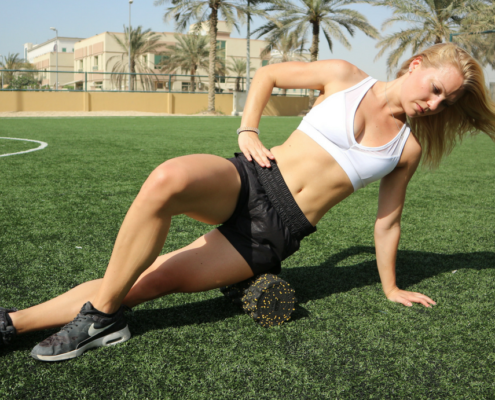
By utilizing the myofascial release method, you are lessening pain, while improving performance and flexibility. You can release the tension in your muscles and soft tissue and still continue to workout as well as regaining full range of motion. It will also largely reduce the risk of injury. One way you can do this is on your own by using a foam roller. With this method, you are able to decrease pain and improve your muscles flexibility recommended to do after a workout or on active rest days. It is solely done on your time, which means you can do it while watching television or even when on a business call. If you have the ability, going for a massage is another great way for someone to apply the pressure and reduce the soreness you feel.
- Hot/Cold Bath
A highly debated recovery method after an intense workout is whether or not to take a hot or cold bath. Some fitness experts believe that there are amazing results from this post recovery activity, while others are unsure of its effectiveness. If you are doing a cold bath, you get into the cold water for roughly ten minutes. By submerging into an ice cold bath, you are first numbing the local pain neurons, thus giving your body relief. While this occurs, your blood vessels constrict and help your body get rid of the lactic acid and other waste products your body builds up. The temperature reduces inflammation and swelling, and in case you have a serious tissue injury, you need this to reduce those symptoms.
On the other hand, recovering from a workout with a hot bath dilates the blood vessel which brings forward extra blood to damaged tissue which helps the recovery process. You can also use a warm bath to self- massage as well to ease your soreness. By using two tennis balls while in the bathtub, you can put the balls between you and the bottom of the tub. The water helps distribute your body weight, this way you apply the right amount of pressure against the tennis balls. Using these balls you can release knots in your muscles while the hot water relieves all tension, clearing your mind from the workout you just completed.
You can try one of these or both, whichever one you think you’ll benefit most from. Each one has its advantages, so you need to figure out what works best for you after your workouts. You can also try a combination of these to help you recover pending how intense each one of your workouts is.
- Stretching
In order to help your body after completing a hard workout, it is essential to stretch. You want to build in at least 20 minutes of stretching time into a workout, this way it ensures you have time to do it. Most people forget to plan for it and therefore, pay for it later with soreness and tight muscles. By keeping your joints and muscles loose, you will jump start your recovery process from your intense workout. After a major lifting day when you complete a stretch routine, you will be able to get back to feeling fine quicker because your muscles will be starting to recover and expand. Stretching is important for muscle growth as the muscles need to remain flexible. By stretching you will relieve any tension you may have and soreness you could experience.
- Active Recovery
Some people feel that they must be “off” on rest days, however, you can recover actively by just choosing the right dose of exercise for your rest days. Recovery days are made to help you recover from your hard work and long days of training. Not only will it repair you physically, but it will give your muscles a much needed break. After a strength training day or a long cardio workout, you will want to relieve soreness by stimulating blood flow and improve circulation to the muscles. You want the muscles to repair themselves and to engage muscles that are tired from a workout already.
One way to accomplish this task is use body weight exercises or light cardio to remain active while not letting your muscles get too tight. Even though muscles earn a rest day here and there, it doesn’t mean that you can’t be active. Some active recovery ideas would be taking a nice hike, going for a swim, taking a yoga class, go cycling, or even just for a nice walk. As long as you are moving with little intensity, you are actively recovering.
- Rest
Although there are many debates between active recovery rest days and just rest days, you need to do whichever you feel is best for your body. There are many benefits in just resting for those who feel just rest is better for after a workout as recovery. Rest is essential to working out because once you leave the gym that is when your body is making the progress to reach your goals.
High intensity workouts cause strain on your muscles, thus they need to repair while your body is resting. In order for nutrients to rebuild and mend, your body needs ample rest. By doing this, you will see an increase in muscle mass and muscle strength. In one study, it was said that the amount of rest was directly linked to strength gains and cardio gains. If you are on the fence about whether rest days are for you, you could do one rest and one active recovery day and see how you feel. Then, adjust as needed.
- Sleep
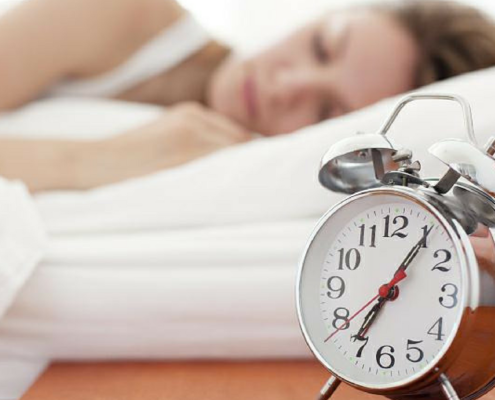
Some people underestimate how important it is to sleep. Sleep is the body’s ultimate recovery. Most people have busy work and personal schedules and also kids, therefor we find the time to workout, but not always to sleep. Yet, for our body’s recovery, skimping out on sleep is not the best idea. It is ideal for people to get roughly seven to nine hours a sleep a night. It is even recommended to get in a nap if ever possible! Having a good night’s sleep helps you recover faster and reduce the length of recover, so your body is back to full strength. When sleeping, your body puts protein into your muscles to strengthen them. When we sleep, our brain has time to recharge, this is essential because when your brain is rested you are more focused and motivated.
It is said that the hours you sleep prior to twelve at night are proven to be more effective than the ones after twelve. While sleeping, open a window and get some fresh air, let the cooler temperatures in. This will enhance the quality of sleep that you will get. Furthermore, sleep in a natural setting with minimal or no artificial light, and wake up with the sun if you can.
By sleeping well and for a good amount of time, you are repairing and rebuilding which will help your body with its overall recovery.
Recovery
Recovering from a workout is just as vital as the workout itself. Partaking in high intensity workouts requires you to recover in order for you to reach the goals you set. How you recover is up to you and what works for your schedule, training, and fitness program. Each person’s body is different and thus not all of these types of recovery will work for all individuals. Use as many as you feel will work for you. The only essential piece is that you make time for some type of recovery and stick to it, put time in your workout schedule to make sure it gets accomplished.
 https://shapedfit.com/wp-content/uploads/2018/05/Blog-Posts-2.png 691 1440 Inja https://www.shapedfit.com/wp-content/uploads/2016/10/logo_web.jpg Inja2018-06-02 10:55:482019-10-21 12:38:55Sleep Deprivation
 https://shapedfit.com/wp-content/uploads/2018/03/Blog-Posts.png 691 1440 Inja https://www.shapedfit.com/wp-content/uploads/2016/10/logo_web.jpg Inja2018-03-30 13:31:272018-05-29 18:31:30The benefits of foam rolling
 https://shapedfit.com/wp-content/uploads/2017/09/Untitled-design.png 691 1440 Inja https://www.shapedfit.com/wp-content/uploads/2016/10/logo_web.jpg Inja2018-03-05 23:58:362018-05-29 18:32:22Helpful tips for beginners on how to lose weight and build muscles
- Sort by Default Order
- Display 9 Products per page


Leave a Reply
Want to join the discussion?Feel free to contribute!